
Greece Tours: Everything To Know Before You Go
Greece tours suit every traveler. Couples, families, friends, solo adventurers and first-time visitors all find a style that fits. Each trip brings famous sights, easy planning and a real taste of local life, from busy cities to quiet island harbours.
This guide from My Greece Tours covers what to see, which kinds of trips travelers book and which comforts come with them. Each region comes next, followed by a short wrap-up and answers to the questions visitors ask most.
Which Greece Tours In Crete And Beyond Give Good Value?
The best value comes from tours that pair a famous sight with a swim and a meal. Travelers see more and plan less. Readers who want more ideas can browse Greece tours and Tours In Greece before they book.
What draws travelers to Crete and beyond?
Crete begins with the palace of Knossos, a maze of rooms tied to the Minotaur myth. In Chania, the old harbour glows at dusk beside busy cafes. The lagoons of Balos and Elafonisi gleam with pale sand and clear water.
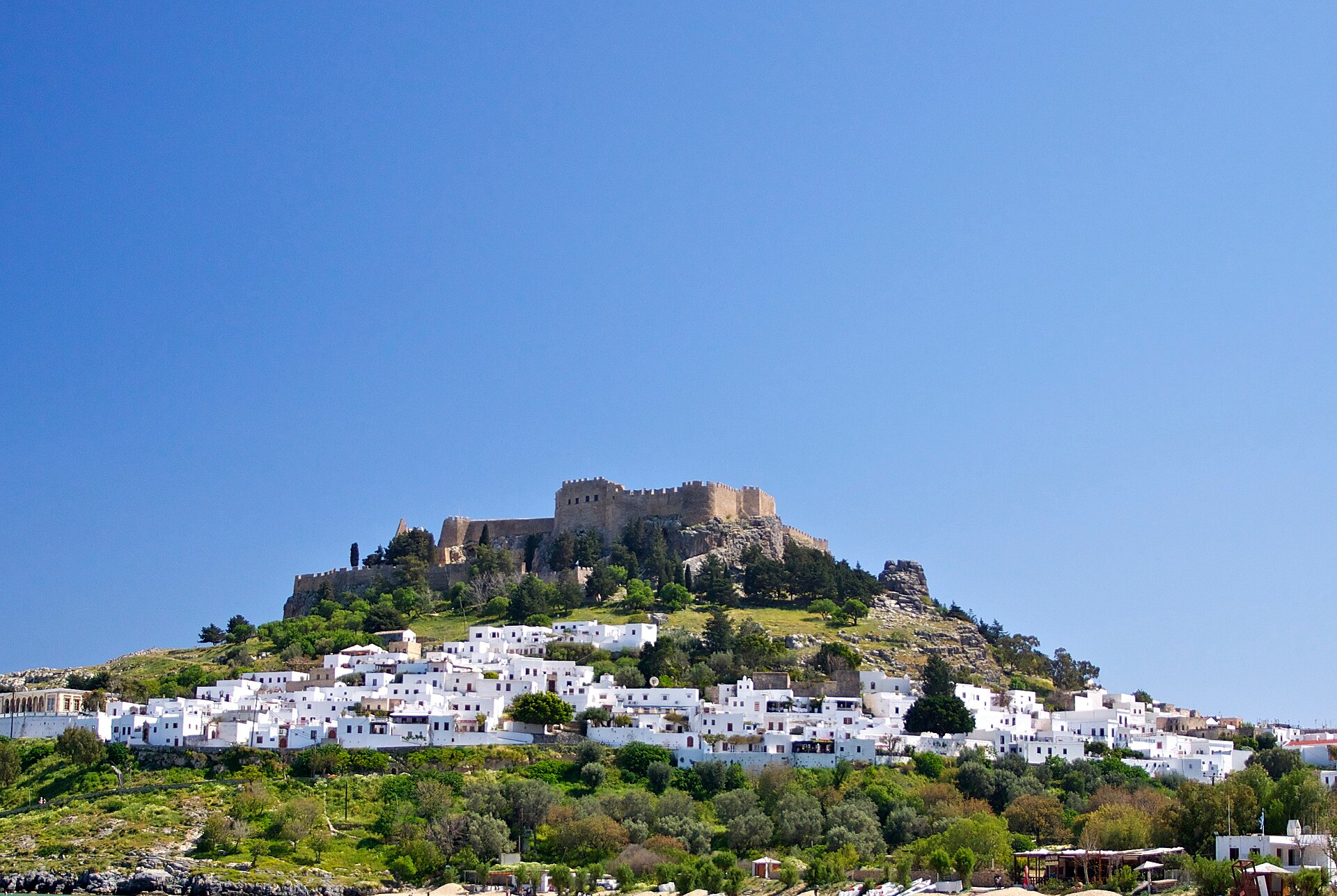
The Old Town of Rhodes keeps its medieval walls and cobbled lanes. Lindos climbs a white hillside below an ancient citadel. Corfu old town adds elegant arcades, and Navagio on Zakynthos hides a rusty shipwreck on a white sand cove.
What kind of Greece tours reach Crete and beyond?
Private tours with a driver-guide or skipper suit couples and families who want their own pace. The price covers the car or boat, not each seat. Boat cruises with swim stops fit friends and solo travelers who love the sea.
Full-day trips from Athens by coach suit first-time visitors who want to see the mainland before they fly to the islands. Cooking classes and wine tastings reward anyone who travels for food and loves a hands-on lesson and a story.
Which comforts are part of Greece tours in Crete and beyond?
A lunch or BBQ meal keeps energy high on long days, so nobody runs on empty. Drinks come with many trips, and some even pour unlimited refills. A licensed or local guide turns silent old stones into vivid stories.
Free time to explore lets travelers wander a market, browse a shop or sit by the water. Wine tastings add a local touch, and swim stops cool everyone off between sights, which keeps the mood light, warm and happy.
What should you remember in Crete and beyond?
Start early, because mornings are cooler and the sights are calmer. Bring a hat, sunscreen, a swimsuit, a towel and water, and wear shoes with good grip for stone paths.
Add a quiet island such as Paros if time allows. Leave room for slow evenings with a sea view, a cold drink and a late dinner.
Why Book Greece Tours In The Cyclades?
Book for the views, the water and the ease. The Cyclades pack white villages, clear bays and island stops into a relaxed trip. Travelers who love variety try Greek island hopping and see a new view each day.
What draws travelers to the Cyclades?
Santorini stacks white cliff villages above a flooded volcano, and its sunsets draw crowds from around the world. Mykonos adds its famous windmills above the town, and the island sanctuary of Delos holds ancient ruins sacred to the god Apollo.
Milos hides sea caves and pale rock bays, ideal for a boat ride. The old town of Naxos winds beneath a castle, with a grand marble gate. The harbour of Naoussa on Paros glows with fishing boats and waterside tavernas.
What kind of Greece tours reach the Cyclades?
A private tour with a driver-guide or skipper fits couples and families. One fee covers the whole vehicle or boat, not each seat. Small shared tours keep the crowd low and suit solo travelers who want company and local advice.
Boat cruises with swim stops, plus snorkel and beginner scuba trips, suit friends and active families. Full-day trips from Athens by coach suit first-timers who like a ready-made plan. Cooking classes and wine tastings suit curious food lovers.
Which comforts are part of Greece tours in the Cyclades?
Many Greece tours on the water serve a lunch or BBQ meal on deck, so nobody hunts for food between stops. Drinks come along too, and some trips pour unlimited refills, which suits hot, lazy summer afternoons.
Snorkel gear is handed out, which saves packing and lets beginners jump right in and look at the fish. Wine tastings show off island grapes and local pride, and swim stops keep the day fun and fresh for every age.
What should you remember in the Cyclades?
Book early for sunset spots and summer weekends, since the best boats fill fast and good seats go quickly. Afternoon winds cool the deck, so take a light jacket.
Pack a swimsuit, sunscreen, water and shoes that grip wet decks, and keep a small bag dry for your phone and camera. Calm mornings give the smoothest sailing.
How Do Greece Tours In The Capital Work?
Most Athens trips start at a meeting point and follow a guide through the main sights. Time to eat and rest keeps the day smooth. The Acropolis sets the tone, and the city fills the rest of the day.
What draws travelers to the capital?
The Acropolis hill lifts the Parthenon high over the city, and the view from the top is wide and sweeping. Nearby, the Theatre of Dionysus is where Greek drama began, and the Acropolis Museum leads the must-see museums in Athens.
The Roman Agora and Tower of the Winds show an old market and a clever weather clock. Hadrian’s Arch, the National Garden and the old quarter of Psyrri fill the gaps between. Cape Sounion adds a temple above the sea.
What kind of Greece tours reach the capital?
Private tours with a driver-guide or skipper make the city easy for couples and families. The price covers the vehicle or boat, not each seat. Guides adapt the route to energy levels. Families like that calm, flexible rhythm.
Guided walking tours suit solo travelers and first-timers who want the story behind each stone. Boat cruises with swim stops leave the city behind for sea and sun. Cooking classes and wine tastings suit anyone who wants to taste Athens.
Which comforts are part of Greece tours in the capital?
A licensed or local guide is the heart of Greece tours in the capital. Clear stories and quick answers bring the Acropolis to life. A good guide also finds shade, shortcuts and the best photo spots along the way.
A lunch or BBQ meal keeps the pace easy, and drinks come with many trips, some unlimited. Wine tastings add local flavor to the evening, and swim stops on boat cruises give a cool break from the city heat.
What should you remember in the capital?
Go early, before the heat and the crowds arrive, and plan the hill first when legs are fresh. Wear flat shoes with grip, because polished marble gets slick.
Bring water, a hat and sunscreen. Keep a light layer for the breezy evening at Cape Sounion, where the sunset draws a crowd. Book a late slot for golden light.
What Makes Greece Tours In The Mainland Worth Booking?
The mainland holds the biggest names in ancient Greece. Tours link them with the road, the guide and entry handled for you. Travelers just enjoy the story, and every stop adds a fresh chapter to the journey ahead.
What draws travelers to the mainland?
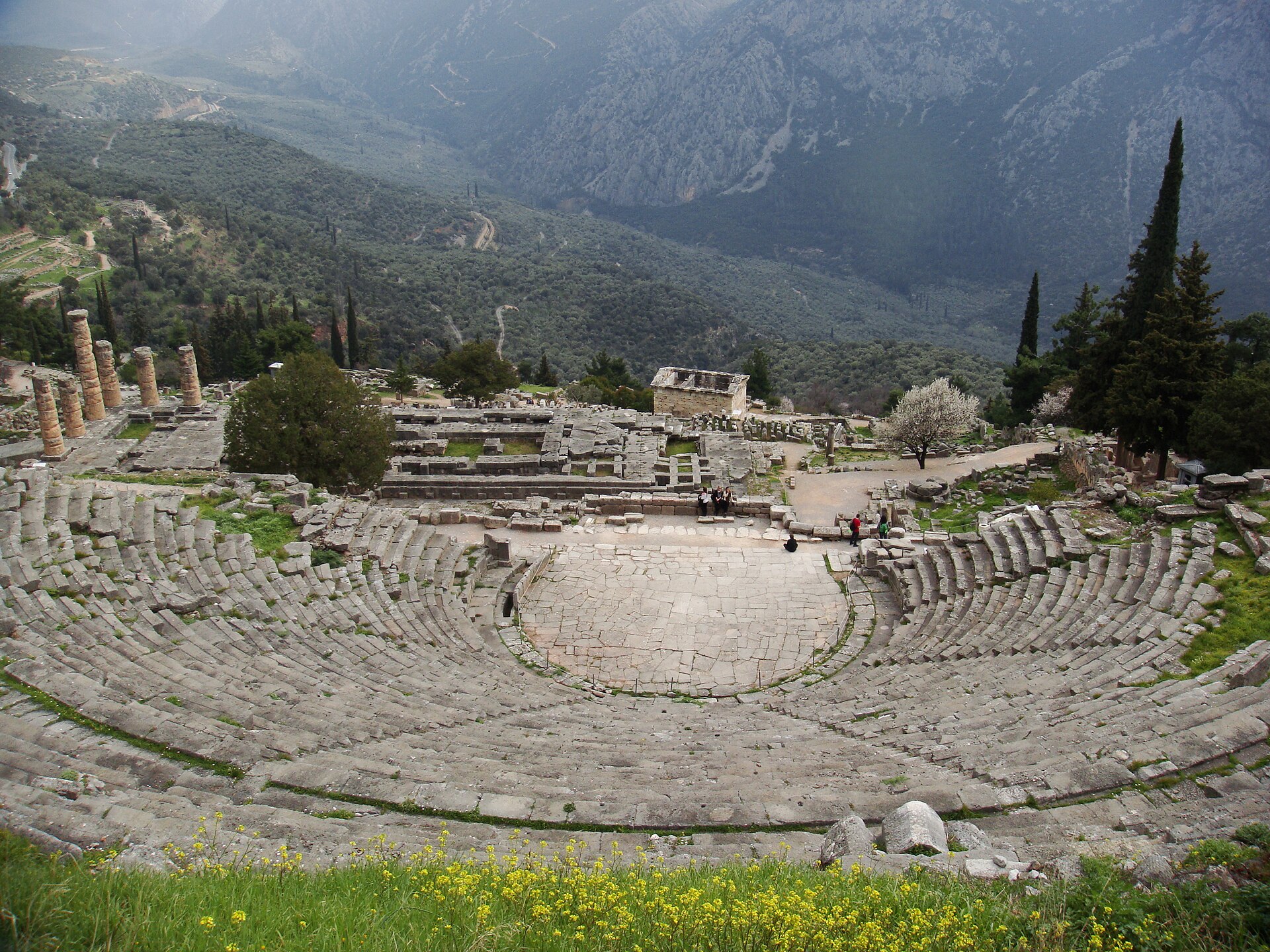
Delphi, home of the famous oracle, rests on a mountain slope around the Temple of Apollo. At Meteora, quiet monasteries crown tall, sheer rock pillars. Mycenae guards its royal ruins behind the Lion Gate, an entrance topped with carved lions.
The theatre of Epidaurus is famous for sound that reaches every seat. Nafplio charms with seaside lanes under the Palamidi fortress. Ancient Olympia is the birthplace of the Olympic Games, and the Corinth Canal is a narrow cut through rock.
What kind of Greece tours reach the mainland?
Small shared tours keep the pace friendly and suit solo travelers and couples who like meeting other travelers. Full-day trips from Athens by coach reach Delphi without the stress of driving or parking, which first-time visitors and busy families love.
Guided walking tours add stories and context at each site. Entry tickets alone suit independent travelers who like their own pace. Multi-day tours with hotel nights suit families and friends who want to go much deeper into the past.
Which comforts are part of Greece tours in the mainland?
A licensed or local guide explains carved stones, royal tales and ancient myths that the signs leave out. Entry tickets come with many trips, so nobody waits at the gate to sort out a purchase while time ticks away.
Hotel nights on multi-day trips mean a comfy bed after a long day and an early start at the next site. Greece tours like these turn a hard route into an easy one, with fewer bags to carry.
What should you remember in the mainland?
Start early to beat the heat. Mountain air cools quickly, so layers help at Delphi and Meteora. Wear sturdy shoes for steep paths and uneven stone.
Carry water, a hat and a small bag for the day. Cover shoulders and knees at the monasteries, since the rules are strict. Leave time for a slow stroll in Nafplio.
Conclusion: Greece Tours, Planned Well
Greece tours turn a long list of famous places into a trip that flows. The sights are grand, and the tour kinds fit every style. The comforts take care of the little things, from meals to guides, hotels and tickets.
Start with the places you most want to see, then match the tour kind to your travel style and your energy. For extra help, read this guide to choosing the right Greek tour and pick with full confidence today.
Frequently Asked Questions About Greece Tours
Are Greece tours easy for older travellers?
Yes, because private tours with a driver-guide keep walking short and let travelers rest in the shade or a cafe. Coach trips and boat cruises also help, since the transport is part of the plan and the pace stays gentle.
Are Greece tours worth it for a short trip?
Yes, a tour packs the key sights into a short window and removes the stress of planning each step. Travelers save hours on routes, tickets and queues, so even a quick city stay feels full, calm and well spent.
Do Greece tours suit first-time visitors?
Yes, because a guide sets a smart order for the sights and explains each one in plain words. First-time visitors also gain local tips on food, timing and getting around, which builds confidence fast and cuts stress on day one.
Which Greece tours do visitors book most?
Full-day trips from Athens and island boat cruises with swim stops are favorites with many visitors. Private tours with a driver-guide come next for travelers who want their own pace and a flexible plan. Cooking classes follow close behind.
Do Greece tours include entry tickets?
Some trips include entry tickets and some leave them out, so read the plan before booking. Tours with tickets included save time at the gate, while ticket-only options suit travelers who like their own pace and plan.
Are Greece tours good for children?
Yes, boat cruises with swim stops and cooking classes keep children busy and happy. Private tours also let families set the pace, with breaks for snacks, rest and play whenever little legs get tired. Guides love young travelers too.
How do you keep costs down on Greece tours?
Keep costs down on Greece tours by traveling off peak, booking early, and paying only for the extras that travelers truly want. Small choices add up fast over a whole trip.
Choose the season with care
Prices follow the calendar, so timing matters a great deal when travelers set a budget. This guide to the best time to visit Greece explains weather and crowds month by month.
Spring and autumn bring warm days and calmer streets. Beds, flights, and day trips cost less than they do in the peak of summer.
Flexible dates also open more seats on popular days, because fewer travelers compete for them. Those who book early get the widest choice of hotels and tours.
Off-peak Greece tours also mean shorter lines at big sites and softer light for photos, which makes each day feel easier.
Move around for less
Ferries link most islands, and fares change with the route and the type of seat. These tips for ferry travel show how the system works, from the port gate to the deck.
Careful planning pays off at the ticket desk. Some Greek ferry booking tips compare routes and seat types before any ticket is bought.
City buses, metro lines, and regional coaches cost far less than private cars, and they run between most towns. Independent travelers can read a guide to exploring Greece by public transport first.
Walking tours of old towns cost little, since many sights sit close together. Comfortable shoes also save money on taxis.
Tours that bundle transfers and entry tickets into one clear fee are easy to compare. That keeps Greece tours inside a budget.
How do you handle meals on Greece tours?
Handle meals on Greece tours by mixing planned lunches with open evenings at local taverns and sharing food needs with guides. Sharing dishes keeps every meal fun and relaxed.
Eat like a local
Greek meals are built for sharing, with many small plates on one table. This list of Greek food to try shows what to order and where to find it.
Bakeries sell warm cheese pies for breakfast, and grill shops serve quick, tasty lunches. Dinner starts late and lasts long, so hungry travelers can enjoy a snack first.
Ordering a few dishes for the whole table lets everyone taste more. Fresh salads, grilled fish, and olives suit nearly every taste and every budget.
The best Greece tours leave room for a slow coffee in the village square, which is a small meal of its own.
Match meals to the day
Long sightseeing days need a proper lunch and plenty of water to keep energy steady. Guides know which stops have shade and a good menu close by.
Village feasts and Greek festivals serve dishes that visitors rarely find in restaurants. Hosts often welcome guests to the table, which is part of local Greek traditions.
Vegetarian, vegan, and allergy needs are easy to share in advance, and most Greece tours handle them well. Greek cooking already offers many vegetable dishes, beans, and grains.
A short note to the guide on the first morning avoids problems later, especially for children and older relatives.
How do you stay safe on Greece tours?
Stay safe on Greece tours by guarding against heat and sun, respecting the sea, and following the guide’s advice at every stop. Simple habits prevent most problems.
Beat the heat
Summer sun is strong, and marble sites offer very little shade. A short checklist keeps every traveler comfortable on Greece tours.
- A hat, sunglasses, and strong sunscreen
- A refillable water bottle
- Light clothes that cover the shoulders
- Shoes with a firm grip for slippery stone
- Rest breaks in the shade at midday
Drinking water before thirst sets in keeps energy high on long walking days. Early starts at open-air sites also avoid the hottest hours.
Stay smart near water and crowds
Beach flags and local signs show sea conditions, and strong winds make the water rough. This guide to the top beaches in Greece helps travelers pick calm, easy spots.
Swimmers stay close to shore, avoid rocky entries in rough weather, and never swim alone after dark.
Families with young children can use these family-friendly Greece travel tips for stress-free planning and safer days out.
Busy ports and markets attract pickpockets, so phones and bags stay close. Solo travelers share the evening plan with the guide or the hotel.
How do you choose Greece tours?
Choose Greece tours by matching the pace, the season, and the sights to each traveler’s tastes, then checking what the tour includes. Clear plans avoid unwelcome surprises.
Read the plan closely
A good plan lists the stops, the transport, the meals, and the free time. Travelers who want full detail can use a complete guide for organizers as a checklist.
Seasonal events change the mood of a trip, so dates deserve a close look. A page on seasonal events to see helps match the calendar to the experience a traveler wants.
Clear plans also show how much walking each day involves. That detail matters for families with young children and for older relatives.
Before paying, travelers compare a few Greece tours side by side and note the differences in stops, pace, and meals.
Check the guide and the pace
Only state-licensed guides lead visits inside Greek archaeological sites and museums. Good Greece tours name the guide and explain the license.
Licensed guides also explain the stories behind each site in plain words, which brings ruins and museums to life.
Some travelers like a busy schedule, while others want long lunches and spare hours. Couples, friends, and families each find a rhythm that fits their energy.
Honest answers before booking build trust. Reliable Greece tours reply quickly, explain every stop, and say plainly what is not included.
A relaxed pace often shows the best of the country. Free time lets travelers wander, shop, swim, or simply rest with a cold drink.
Which Greece tours suit adventurous travelers?
Adventurous travelers enjoy Greece tours built around hiking, sea sports, and open-air days, with mountains and clear water close by. Plenty of energy and a good pair of shoes matter most for these active trips.
Trails, gorges, and peaks
Greece is mostly hills and mountains, so walking routes appear almost everywhere. The top hiking trails in Greece run from island coasts to high peaks and deep gorges.
Guided hikes handle the maps and the timing, so walkers can enjoy the view instead of checking directions. Guides also point out wild herbs, birds, and old stone paths along the way.
Early starts beat the heat, and strong boots protect ankles on loose rock. Walking-focused Greece tours suit beginners and seasoned hikers alike, since routes range from easy to steep.
Sea and sky activities
The coast offers far more than beaches, and this guide to adventure activities in Greece covers land, sea, and air.
- Kayaking past sea caves
- Snorkeling in clear coves
- Cycling quiet island roads
- Climbing sunny rock faces
- Paragliding above the coast
Instructors give a short safety talk first, and beginners get simple gear and calm water. Adventure days work best when travelers mention any injuries or fears at the start.
Many Greece tours mix one active morning with a lazy afternoon, so nobody ends the day too tired to enjoy dinner. This balance suits teens, parents, and solo adventurers alike.
Which Greece tours suit laid-back travelers?
Laid-back travelers enjoy Greece tours with slow mornings, beach time, and long dinners, where the schedule leaves plenty of space to relax. Fewer stops on the plan bring more calm to every day of the trip.
Slow days by the sea
Beach days, boat rides, and café stops fill a calm itinerary. Many islands suit this style because everything sits close to the water.
Evenings are the highlight of a slow trip, and many travelers plan the whole day around them. This list of the best sunset spots in Greece shows where to sit and watch the sky turn orange.
Late starts, long lunches, and a free afternoon swim keep the pace gentle for couples, friends, and families. Nobody needs to chase a clock when the holiday is meant for rest.
Relaxed Greece tours also leave room for a nap, a book, or a slow walk through a whitewashed lane.
Golden hours and photos
Soft light at sunrise and sunset makes whitewashed walls and blue domes glow. These photography tips for Greece tours explain angles, timing, and quiet corners.
Relaxed schedules give photographers time to wait for the right light. Nobody has to rush back to the vehicle before the best light fades.
A small camera or a phone is enough for great shots. The best pictures often come from a calm morning walk before the crowds wake up.
Quiet harbors, narrow lanes, and painted doors reward travelers who slow down and look closely.
Which Greece tours suit curious travelers?
Curious travelers enjoy Greece tours that explain ancient sites, myths, art, and buildings through a licensed guide with great stories. Good guides turn old stones into living tales that stay in memory long after the trip.
Ancient sites and stories
Greece holds many of the best known ancient ruins in the world. A guide to ancient Greek ruins explains what to see and how to visit each site.
Myths come alive at the places where they were set. These top Greek mythology sites include temples, caves, and mountains tied to gods and heroes.
History feels easier with some context, and a short read on essential Greek history covers the main eras in plain words.
Only state-licensed guides lead visits inside archaeological sites and museums. Curious travelers on Greece tours always get a trained expert at these stops.
Art, museums, and buildings
Museums keep statues, pottery, and jewelry that ancient hands made long ago, and many pieces look as fresh as new. This guide to Greek art and museums shows what to see and how to plan.
Buildings tell a story too, and Famous Greek architecture explained shows how columns, temples, and open-air theaters shaped buildings around the world.
Curious travelers also like small museums and quiet corners. These stops reward patient looking and plenty of questions.
Good guides welcome questions at every stop. Asking why a temple stands where it does often leads to the best story.
Teenagers often enjoy the myths most, since the tales of monsters, heroes, and angry gods read like an adventure film.
Which Greece tours suit sociable travelers?
Sociable travelers enjoy Greece tours with shared tables, boat days, and village squares, where meeting new people is part of daily life. Good company comes easily when the day is built around shared moments.
Shared days on the water
A boat day brings people together fast. These sailing holidays in Greece show how crews, meals, and swim stops fit into one day.
Guests swim, eat on deck, and trade stories with the crew. Many Greece tours end the boat day with a shared meal ashore.
Friends, couples, and families all find easy ways to chat on a boat, because the deck is small and friendly. Shared jobs like pulling a rope or spotting dolphins break the ice quickly.
Village squares and long tables
Village life is social by nature, and the main square is the heart of it. Visiting traditional Greek villages to visit means coffee in the square, chats with locals, and plates passed around the table.
Festivals fill these squares with music and dancing. Visitors are welcome to join the circle dances, and nobody minds a missed step.
Solo travelers often feel at home quickly, because shared tables make conversation easy. Sociable Greece tours put these warm moments on the schedule.
A simple hello in Greek earns a big smile. Locals love to share stories about their village, their food, and their family traditions.
Evenings in a square often turn into music, dancing, and laughter. Visitors who join in leave with the best memories of Greece tours.
Which places do Greece tours visit?
Greece tours visit famous islands, ancient mainland sites, and large islands that hold beaches, history, and mountain villages in one place. Most routes mix all three kinds of places, so travelers see both busy cities and quiet coastlines.
Islands
The small Cyclades islands shine in summer, with white villages and deep blue water. Many routes link several of them by ferry, so the scenery changes every day or two.
- Santorini is known for sunsets above a flooded volcano crater
- Mykonos is known for windmills, sandy beaches, and lively nights out
- Naxos is known for long beaches and a marble temple gate
- Milos is known for pale rock shores and colorful fishing hamlets
- Ios is known for golden beaches and a white hilltop town
Mainland
The mainland holds the places where much of Greek history took place, from grand temples to mountain monasteries. Travelers reach these stops by road, often as day trips from the capital.
- Athens is known for the Acropolis, the Parthenon, and old streets
- Delphi is known for an ancient oracle site on a mountain slope
- Meteora is known for monasteries built on tall rock pillars
- Olympia is known as the birthplace of the ancient Olympic Games
- Epidaurus is known for a stone theater with famous sound
Large islands
Larger islands offer enough space for beaches, mountains, and old towns in a single trip. Greece tours often spend several days on just one of them, which allows a slower and deeper visit.
- Crete is known for ancient palaces, deep gorges, and long beaches
- Rhodes is known for a walled medieval town by the sea
- Corfu is known for a graceful old town and green hills
- Kefalonia is known for turquoise bays, caves, and green mountains
How do you plan Greece tours over ten days?
Plan Greece tours over ten days by starting in Athens, adding mainland sites, then finishing on the islands with slow beach days. This order keeps the busiest sightseeing early and the relaxing days for last.
Begin in Athens
Athens makes the best start, since most international flights and many ferries leave from there. The Acropolis, the museums, and the old streets fill the first days.
Travelers who like to plan alone can read about self-guided Greece itinerary planning before they book anything. Maps, ferry times, and rest days all fit into one simple plan.
An early start at the Acropolis avoids the midday heat. Afterward, a long lunch in the old Plaka district gives tired legs a rest.
Add mainland sites
Next come the mainland stops, such as Delphi, Olympia, or Meteora. These places add history and mountain scenery before the beach days begin.
A driver or guide handles the roads, so travelers can rest, read, or watch the hills roll by. Many routes link these sites in one loop with a hotel stop on the way.
Only state-licensed guides lead visits inside archaeological sites and museums. Each stop therefore comes with an expert who tells the story in plain words.
Overnight stays near the sites make early visits easier and avoid long drives in a single day. Quiet evenings in a small town are part of the charm.
Finish on the islands
The last days belong to the sea. This Athens, Santorini, and Mykonos itinerary shows how a shorter route flows, and extra days can go to a quieter island.
A list of the top Greek islands to visit helps travelers choose where to stay. Each entry explains the mood of an island, so couples, families, and solo travelers can match it to their own taste.
Beach days can mix swimming, snorkeling, and slow walks through white villages. Evenings end with fresh seafood and a sunset by the water.
Ferries run between most islands, and a spare day at the end protects the trip against rough seas or late boats.
More questions about Greece tours
Short answers below cover shopping, clothes, water, shoes, and other small details that travelers ask about before they book Greece tours. Each answer is brief, practical, and easy to scan.
Do Greece tours give time for shopping?
Yes, most Greece tours include free time in markets and old towns for buying local crafts, olive products, and small gifts. Guides can suggest trusted shops, and an open afternoon makes browsing much easier.
What should you wear on Greece tours?
Wear light, breathable clothes, a sun hat, and comfortable shoes, plus a thin layer for cool evenings and a cover-up for churches. Monasteries ask visitors to cover shoulders and knees, while swimwear stays at the beach.
Do Greece tours provide water?
Many Greece tours offer water on the vehicle or at rest stops, yet every traveler should still carry a refillable bottle. Hot days and long walks need steady sips, and guides can point out where to refill.
Can you add free time to Greece tours?
Yes, ask the organizer before booking, since many operators can adjust the schedule to add open hours for swimming, shopping, or rest. Early requests work best, and flexible plans give the most choice.
Which shoes suit Greece tours?
Comfortable closed shoes with a firm grip suit Greece tours best, because ancient stone is uneven and polished marble gets slippery. Sandals with ankle straps work on easy days, and new shoes need breaking in first.
Can friends join Greece tours from different hotels?
Yes, friends from different hotels can join the same tour, since pickups follow set routes or start at a central point. Each person gives the hotel name when booking, and the guide confirms the meeting time.
See more in Episkevesplintirion:
